Black-necked Swan (Cygnus melancoryphus)
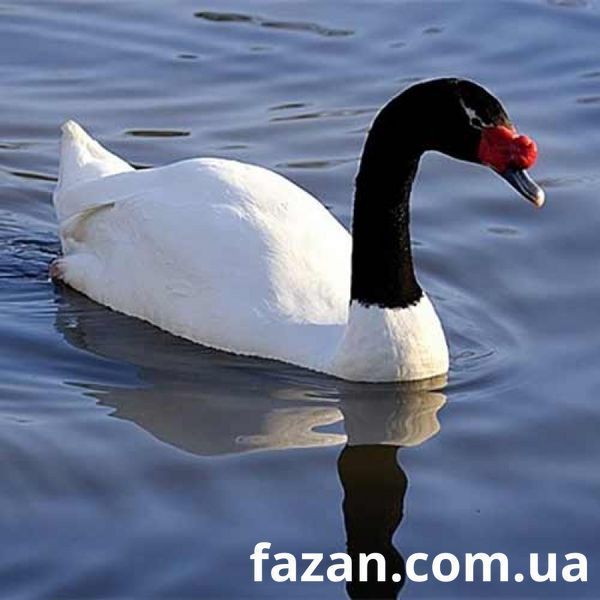
The Black-necked Swan is a large waterfowl species in the duck family. Body length ranges from 110 to 140 cm, weight from 3.5 to 6.5 kg, with males noticeably larger than females. Its most distinctive feature is the contrasting black neck and head against the snowy-white plumage. The eye is outlined with a thin horizontal white line. The bill is gray with a prominent red knob at the base, and the legs are pink.
Range and Migration
Breeds in southern South America — from central Chile and Patagonia to Tierra del Fuego and the Falkland Islands. During winter, it moves northwards to Paraguay and southeastern Brazil.
Habitat and Diet
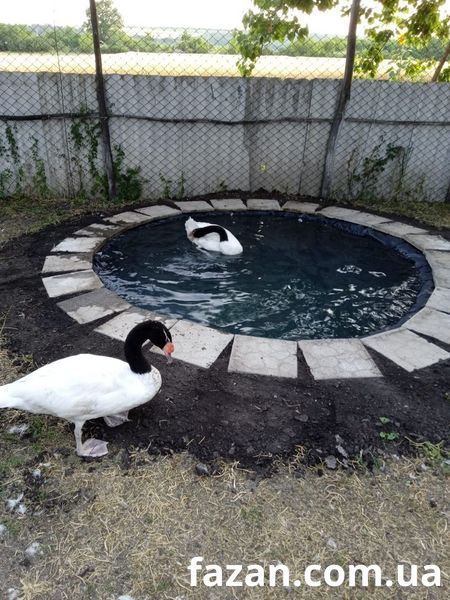
Prefers shallow lakes, freshwater wetlands, lagoons, and sheltered coastal bays. Its diet consists mainly of aquatic plants and algae, which it obtains by dipping its head underwater and filtering vegetation.
Reproduction
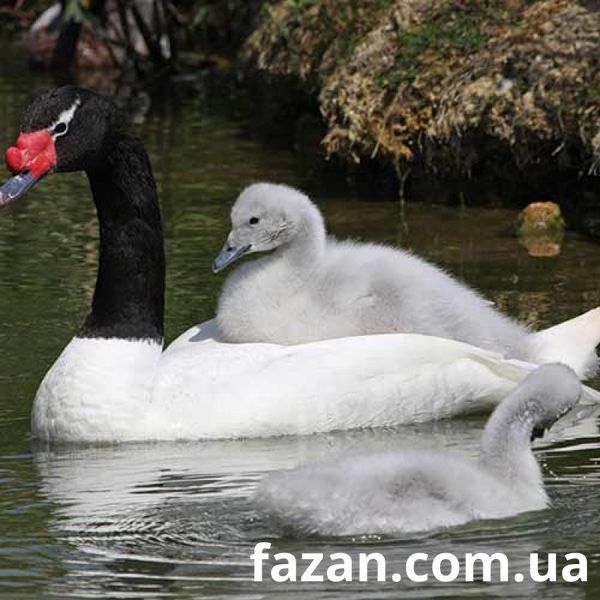
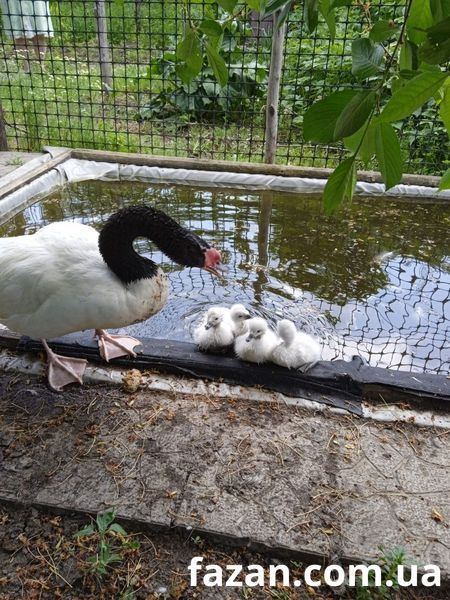
The breeding season lasts from July to November (winter–spring in the Southern Hemisphere). Nests are built in coastal reeds or on small islands. Clutches typically contain 3–8 eggs; incubation lasts about 5 weeks, with the male guarding the mate and territory. Grey cygnets leave the nest early and often ride on the parents’ back; they are able to fly by three months of age.
Habitat of the Black-necked Swan