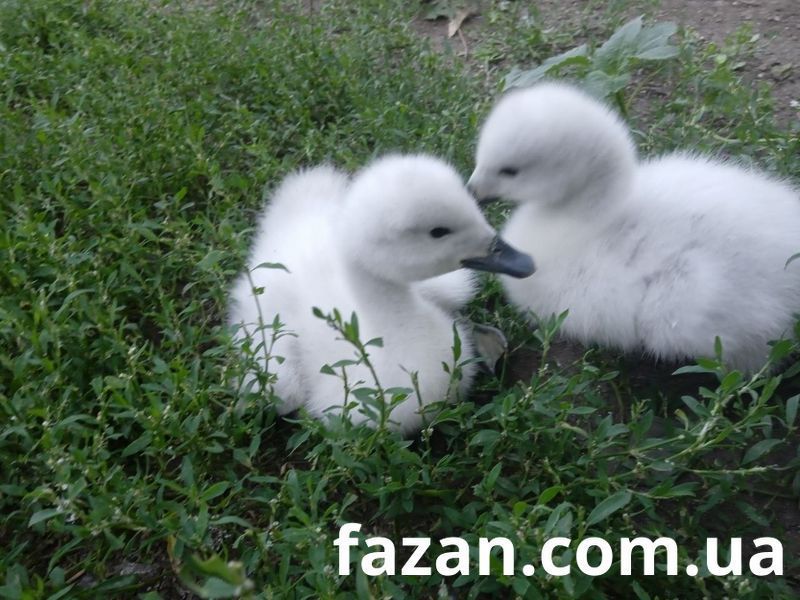
Black Swan (Cygnus atratus)
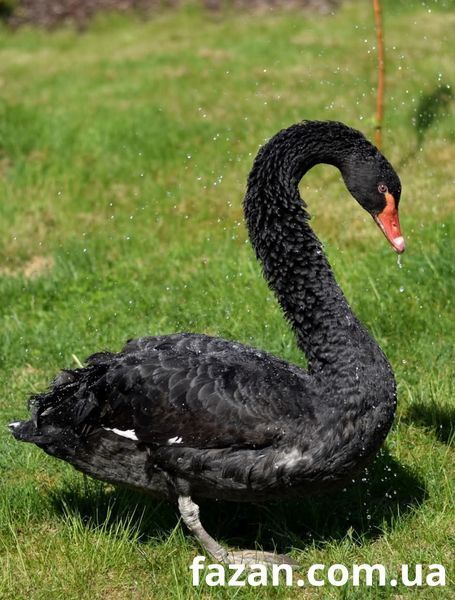
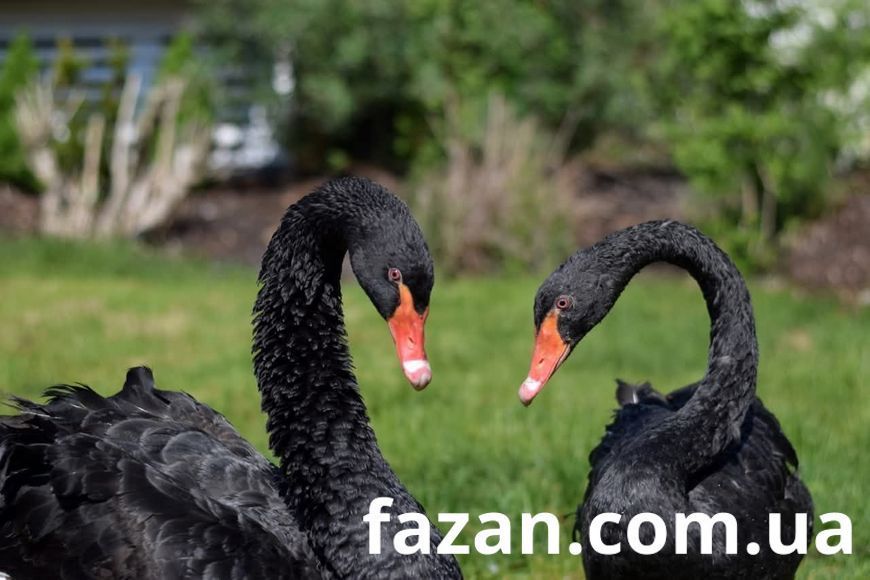
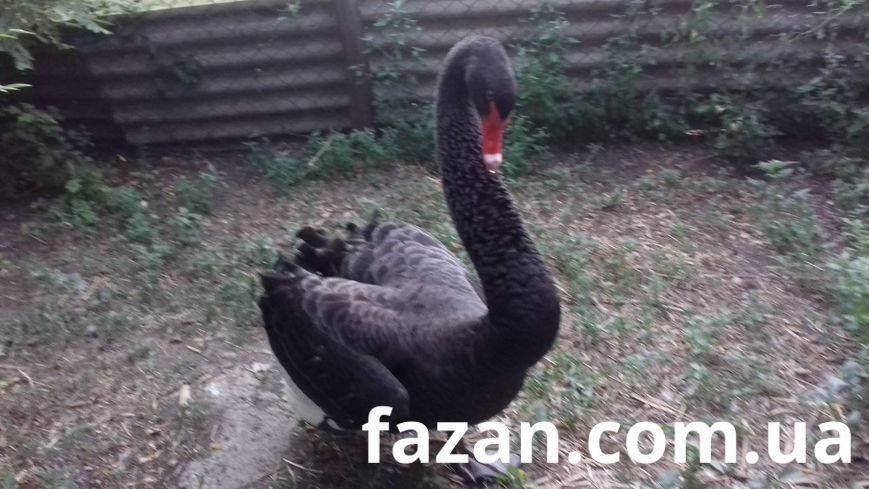
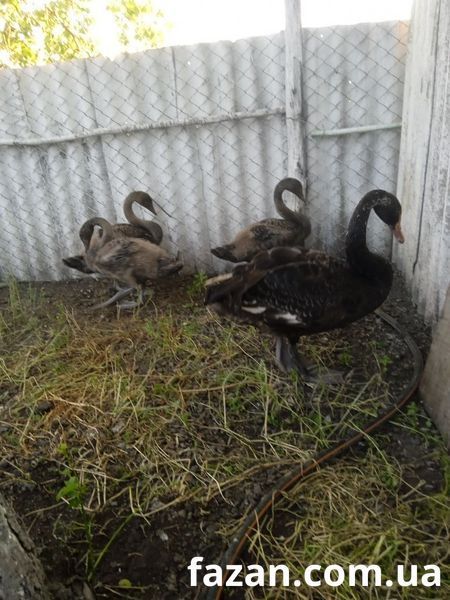
The Black Swan is a large waterfowl species from the duck family. It is endemic to Australia and Tasmania and was introduced to New Zealand in the 19th century. Adults reach 110–140 cm in length, slightly smaller than the Mute Swan. The long neck, the longest among swans (about 32 cervical vertebrae), allows them to forage at greater depths. Plumage and legs are mostly black, with white feathers hidden within the wings and visible in flight; the wingtips feature distinctive curly feathers. The bill is bright red with a white tip, and the iris ranges from orange to light brown.
Vocalization
Unlike Mute Swans, Black Swans are highly vocal: they greet each other with resonant, trumpet-like calls, accompanied by nods of the head. They can trumpet for long periods on the water, signaling to the flock or expressing alarm.
Range and Habitat
In the wild, Black Swans are found throughout Australia and Tasmania. Since the mid-19th century, they have established populations in New Zealand. In Europe and North America, they are often seen in parks and reserves as ornamental birds. They prefer shallow freshwater bodies and, outside the breeding season, can be found along riverbanks.
Lifestyle and Behavior
This species is not typically migratory but is highly mobile: prolonged disturbances or changes in water levels usually trigger movements of up to 100 km. Birds generally remain in the same region where they were raised, responding to water level fluctuations. In dry years, they gather in coastal lagoons and bays. Males defend territories against rivals. Both parents participate in incubation, with females more often taking the night shifts.
Diet
The diet primarily consists of aquatic plants and small algae. Additionally, they consume grains (wheat, corn), coastal grasses, and leaves from low-hanging willow branches.