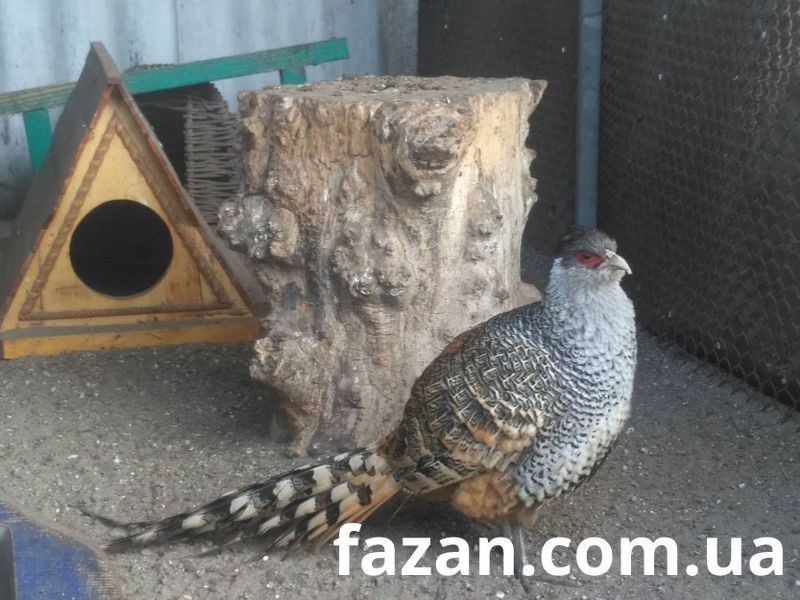
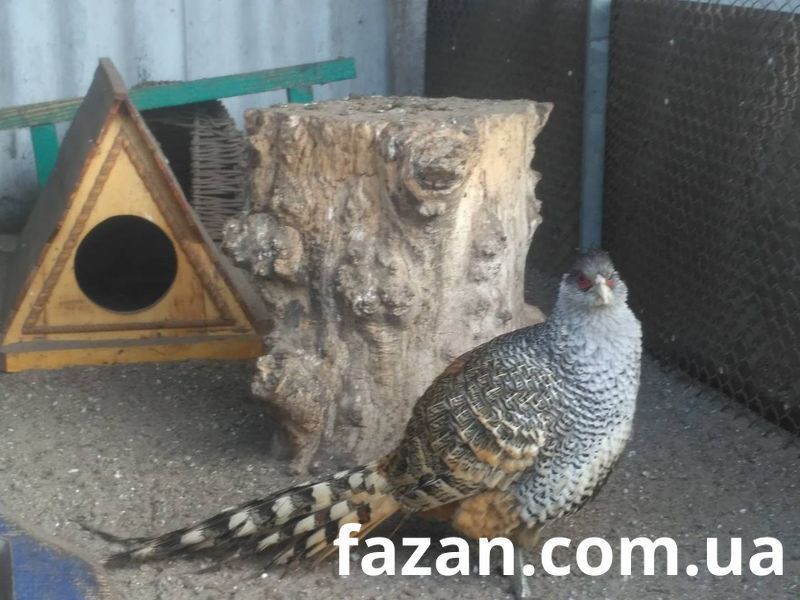
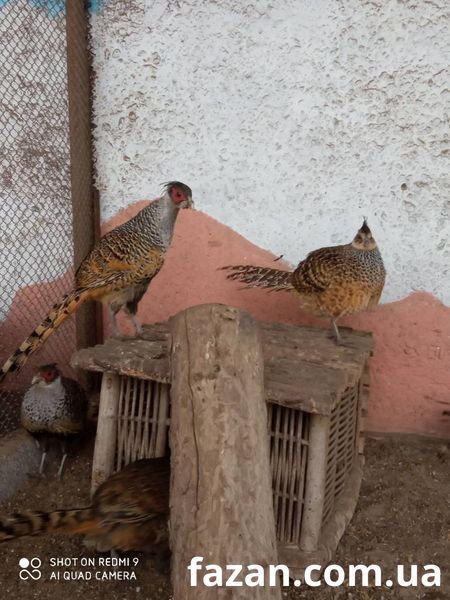
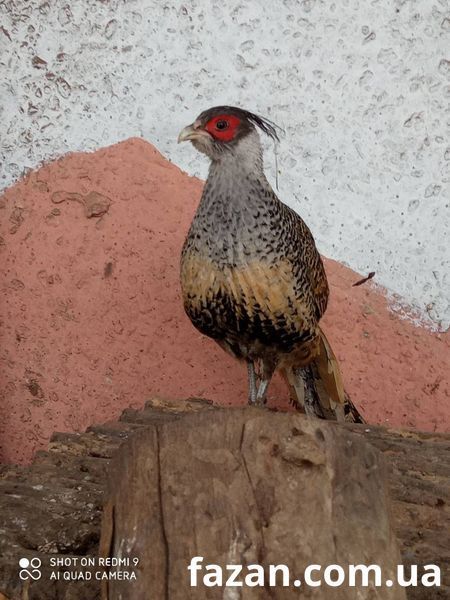
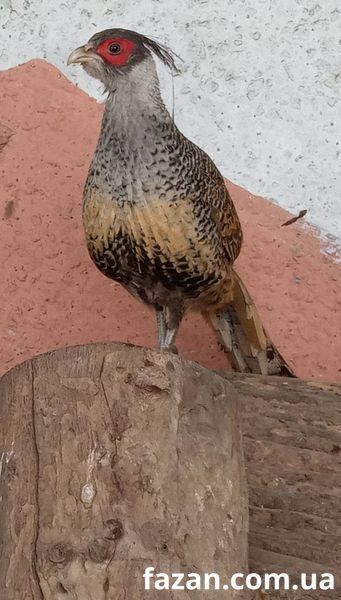
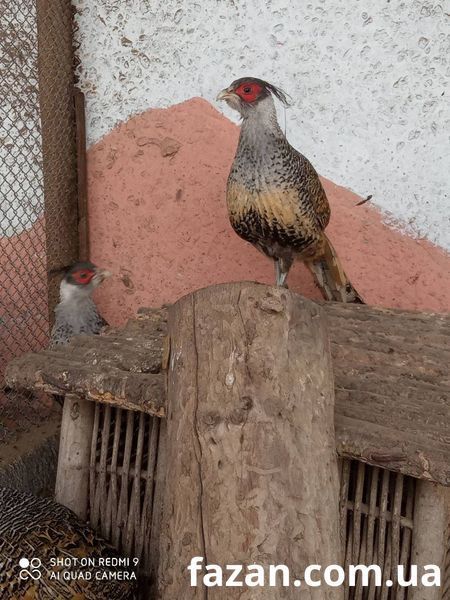
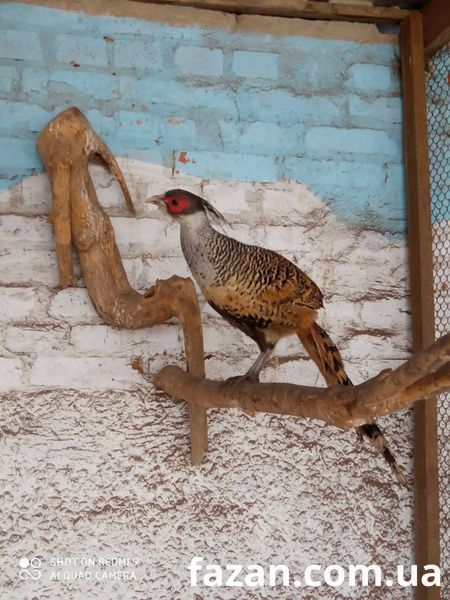
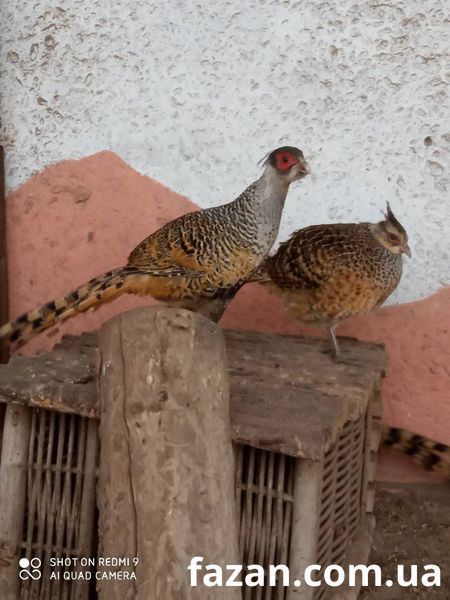
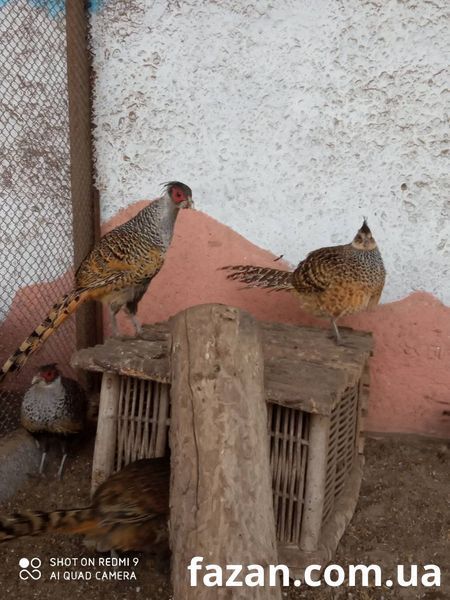
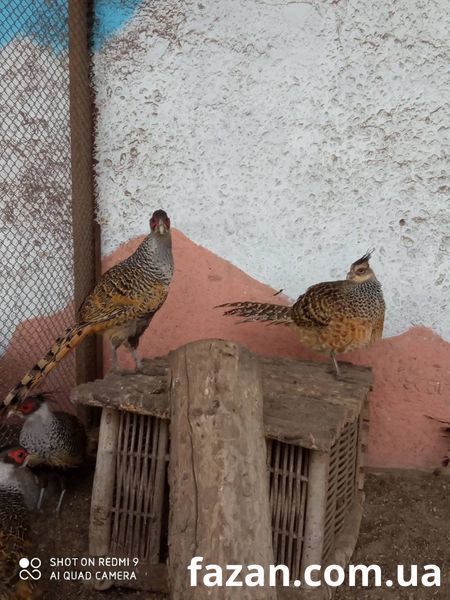
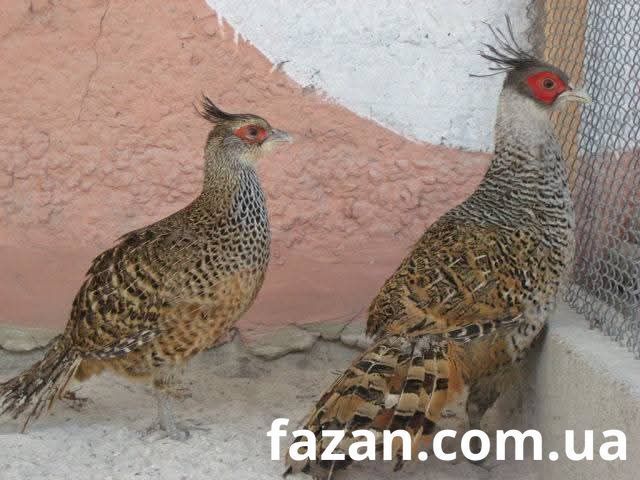
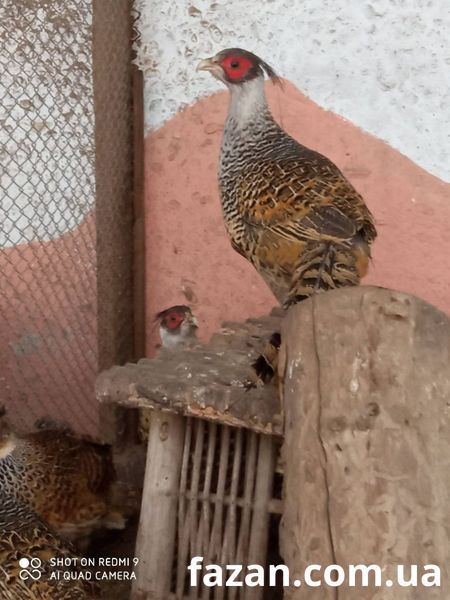
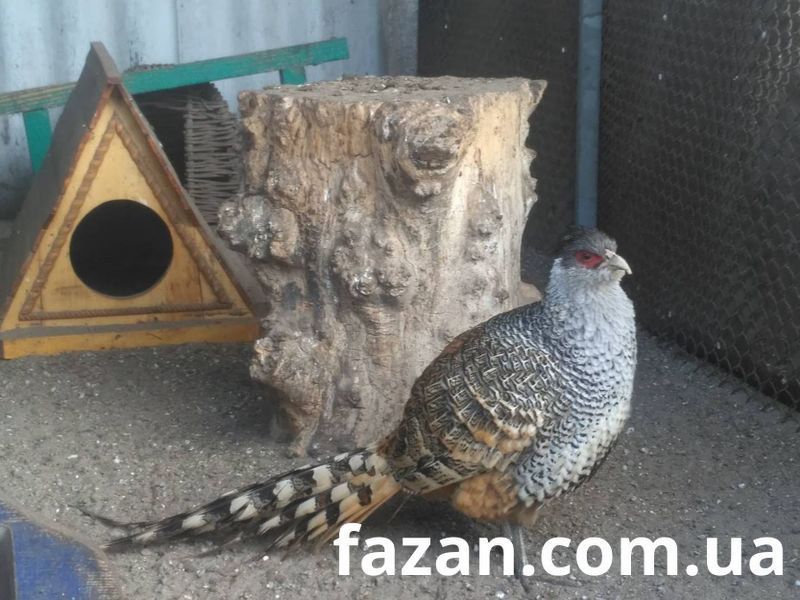
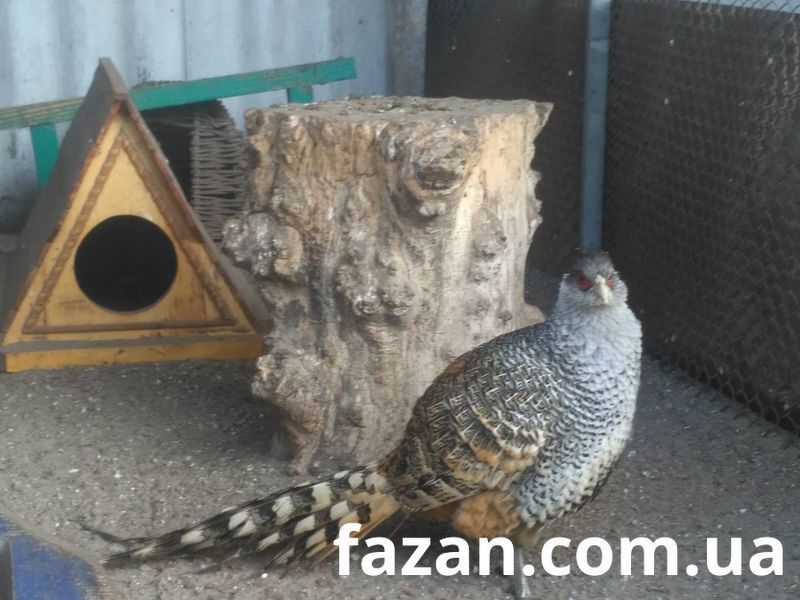
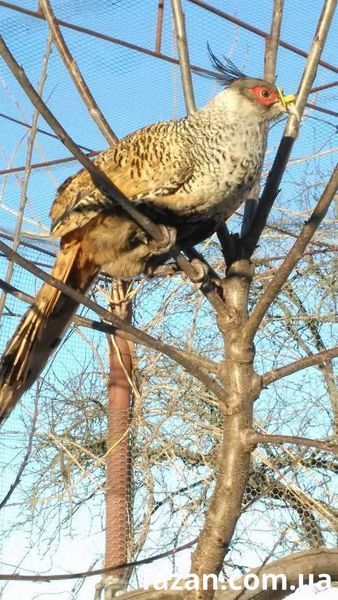
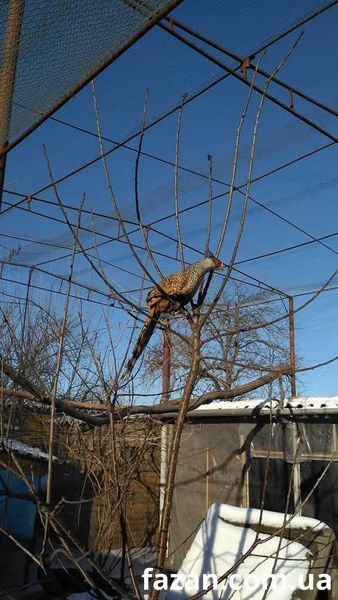
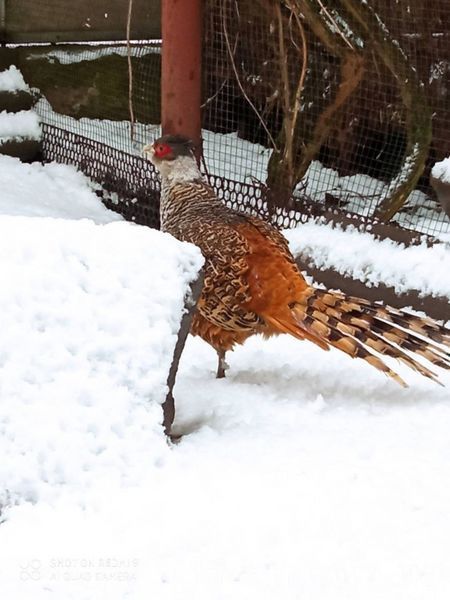
Cheer Pheasant, also known as the crested or wavy pheasant, is the sole member of the genus Catreus in the pheasant family. Its scientific name honors the Danish botanist Nathaniel Wallich. The head and disheveled crest are dark chestnut, the bare facial skin is bright red, while the chin, throat, and sides of the lower head are grayish-white. The back and wings are yellowish-brown with four transverse bars. The long tail has 18 tail feathers, with the central feathers longer and gray-brown. Females are smaller and duller.
Distribution and Habitat
The species inhabits high-altitude and shrubland areas of the Himalayas in India, Nepal, and Pakistan. In India, it occurs mainly in Uttarakhand (Kumaon, Garhwal), Himachal Pradesh (Shimla, Kullu, Chamba), and Jammu & Kashmir; in Pakistan, it is found in Hazara and northern Khyber Pakhtunkhwa. Typically, it lives at elevations from ~1800 m up to ~3000 m in summer. Prefers open mountain slopes with shrubs, forest edges, and meadows, often near cliffs.
Behavior and Ecology
Cheer pheasants are ground-dwelling and more secretive than many other pheasants. Males are mostly monogamous. The species is sensitive to human disturbance and will retreat to inaccessible slopes if regularly disturbed or grazed.
Reproduction
Breeding occurs during summer, often on steep slopes. Clutches usually contain 10–11 eggs. Chicks are precocial and become mobile shortly after hatching.
Status and Conservation
Due to habitat loss, small local populations, and hunting, the cheer pheasant is listed as Vulnerable (IUCN) and included in CITES Appendix I. Attempts to reintroduce captive-bred birds in certain areas, particularly in Pakistan, have had limited success.