Edward’s Pheasant (Lophura edwardsi)
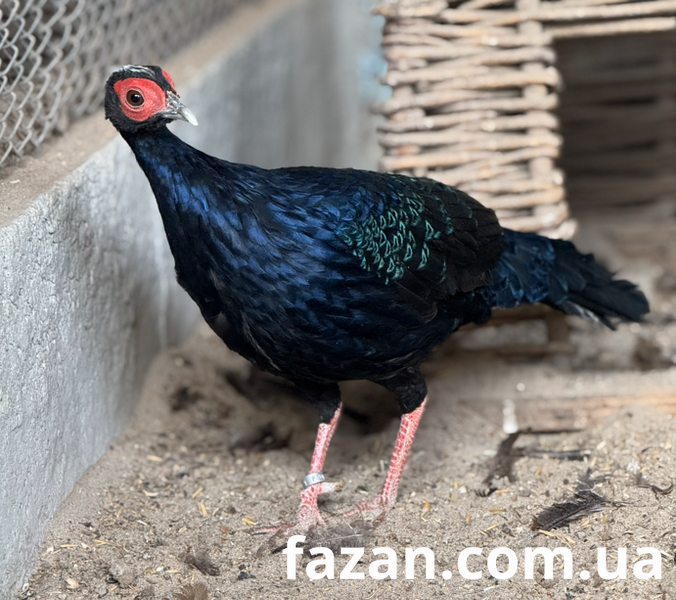
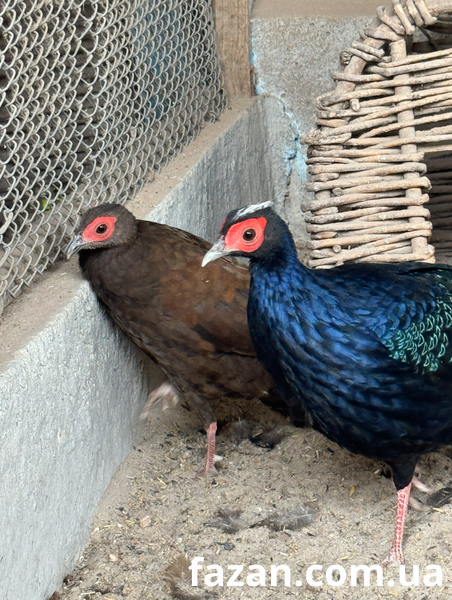
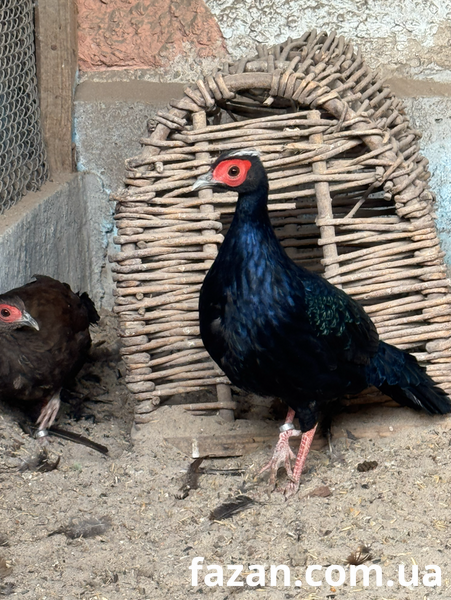
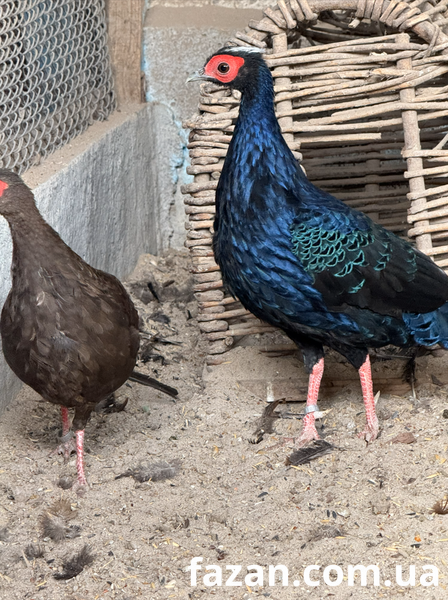
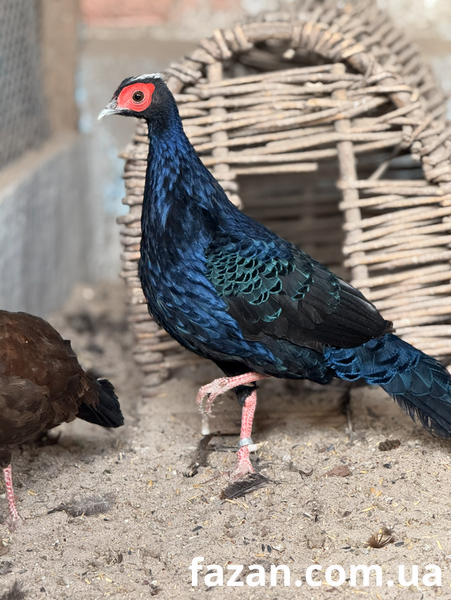
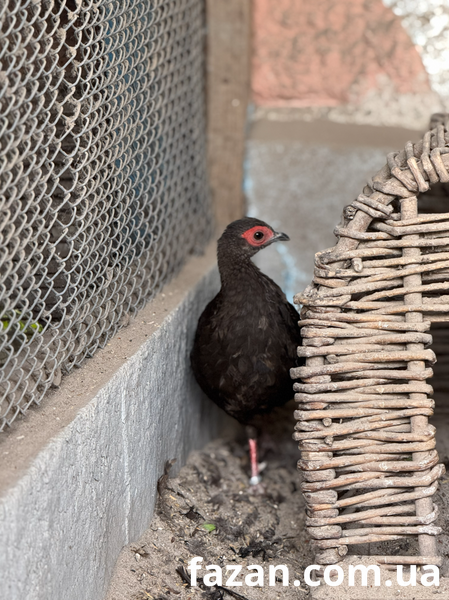
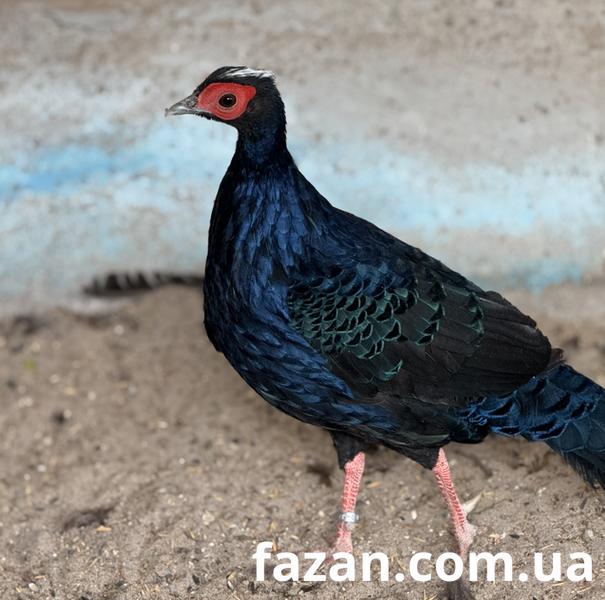
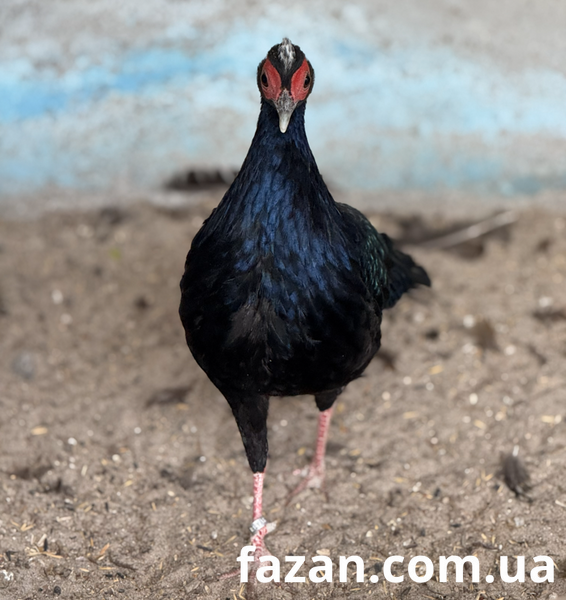
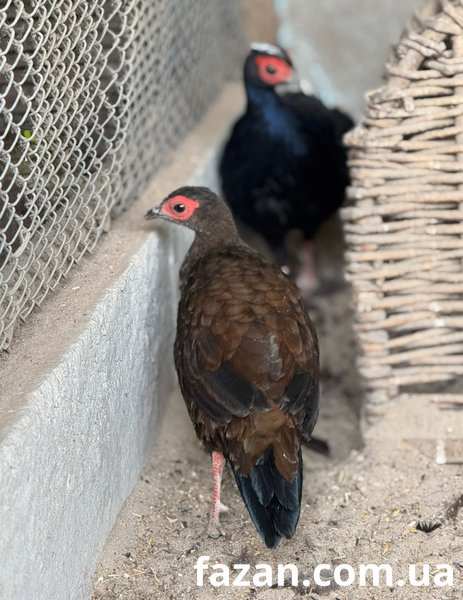
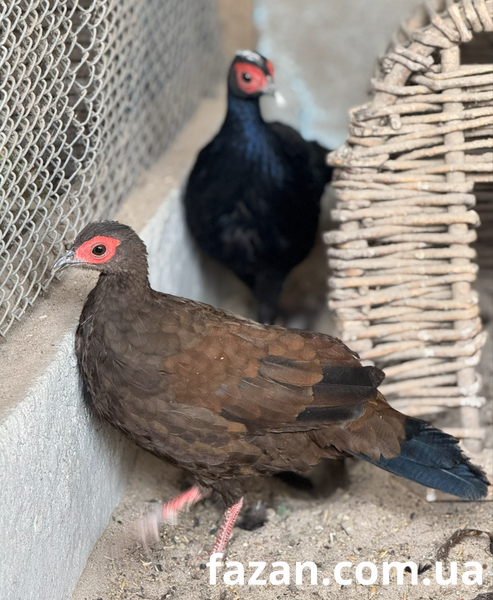
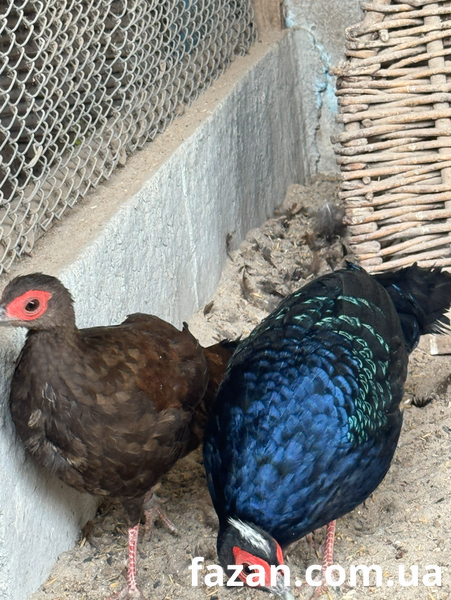
Edward’s Pheasant is a member of the pheasant family, endemic to the tropical forests of Vietnam. Described in 1896, it was named after the French ornithologist Alphonse Milne-Edwards. The body length is typically 58–65 cm, with red skin around the head. Males are blue-black with a crest, while females are dull brown.
Distribution
The natural range is limited to the tropical forests of central Vietnam. Historically, it was recorded in lowland and lower montane forests, occasionally entering secondary habitats.
Population Status and Conservation
The species is critically endangered due to deforestation, hunting, and the effects of defoliants. According to BirdLife International, the wild population is estimated at 50–249 individuals. From the early 2000s, it was not observed in the wild for a long period; in 2010, the World Pheasant Association received funding to survey central Vietnam’s forests for remaining populations.
Additional Information
Eggs are known from museum and collection materials. Data on wild reproduction are limited; in captivity, managed breeding programs are used to preserve genetic diversity.