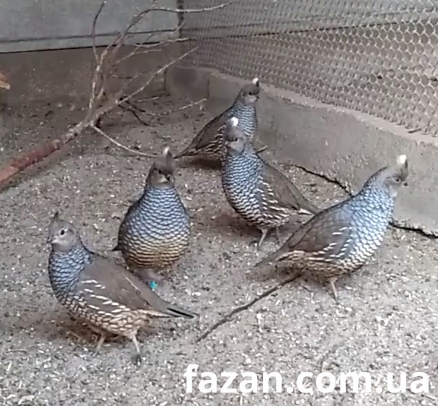
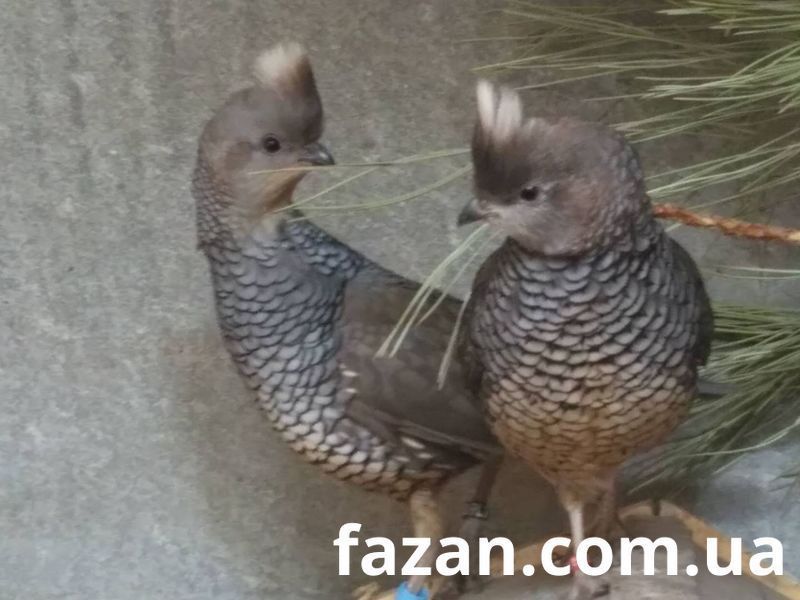
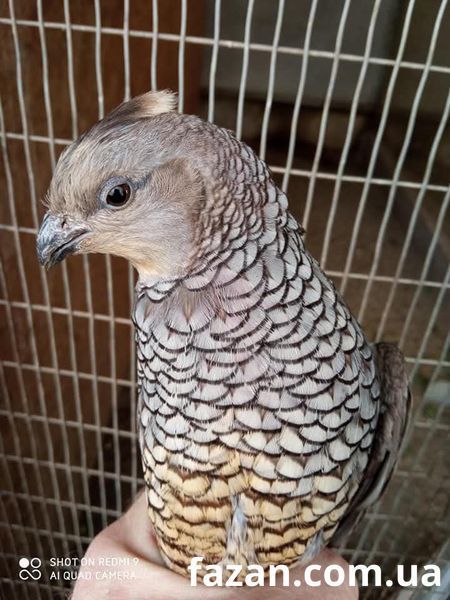
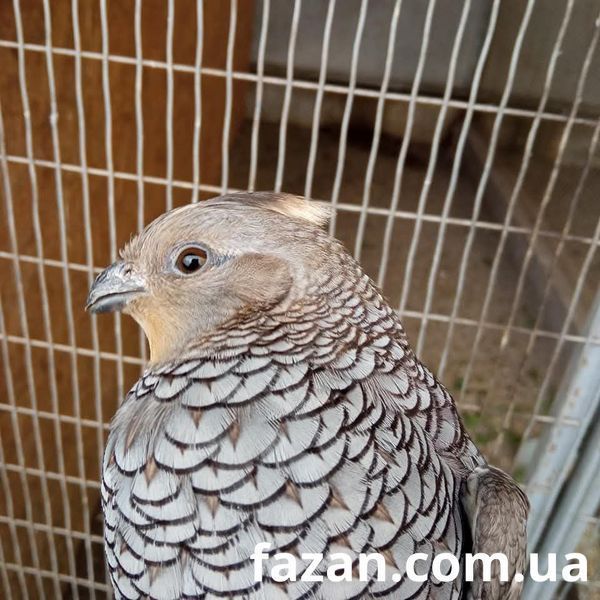
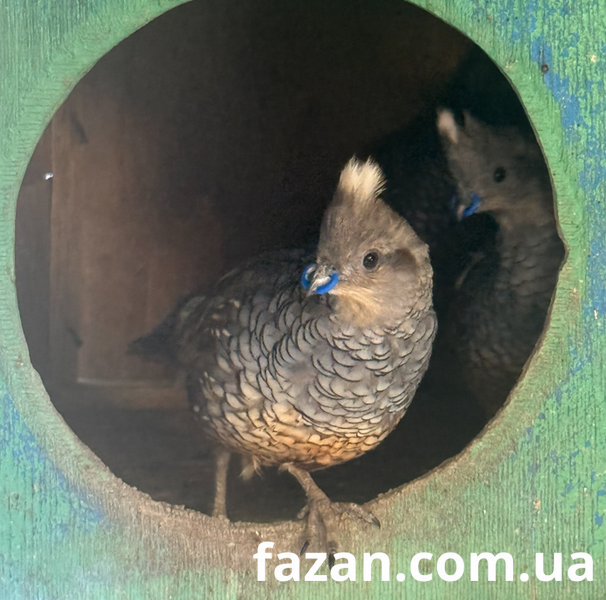
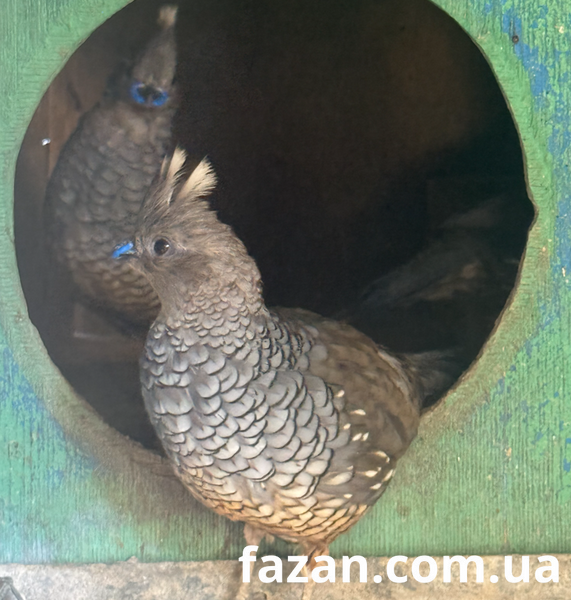
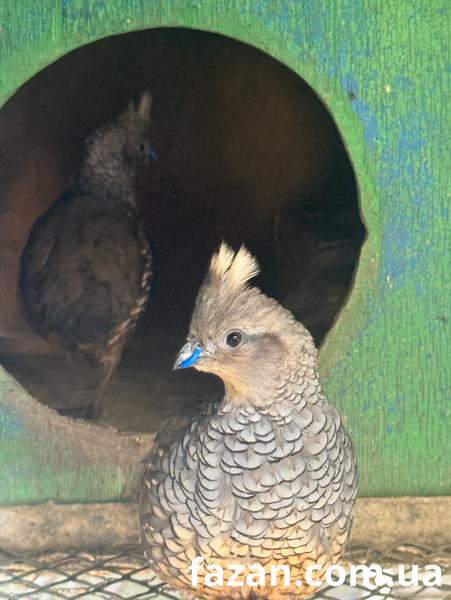
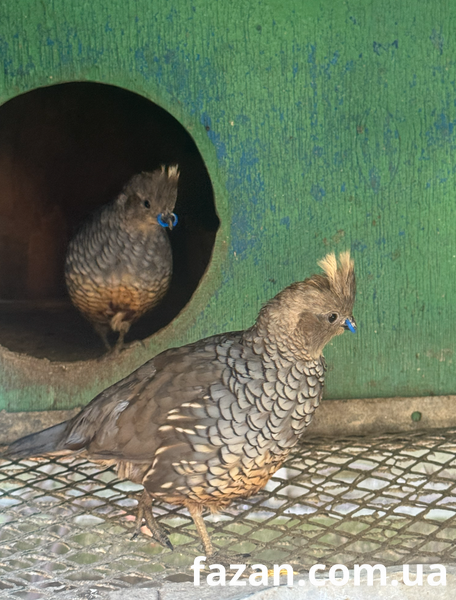
The scaled quail (Latin: Callipepla squamata), also known as blue quail or cottontop, is a species of the New World quail family. It is a bluish-gray bird native to the arid regions from the Southwestern United States to Central Mexico. This species is an early offshoot of the genus Callipepla, diverging during the Pliocene.
Appearance
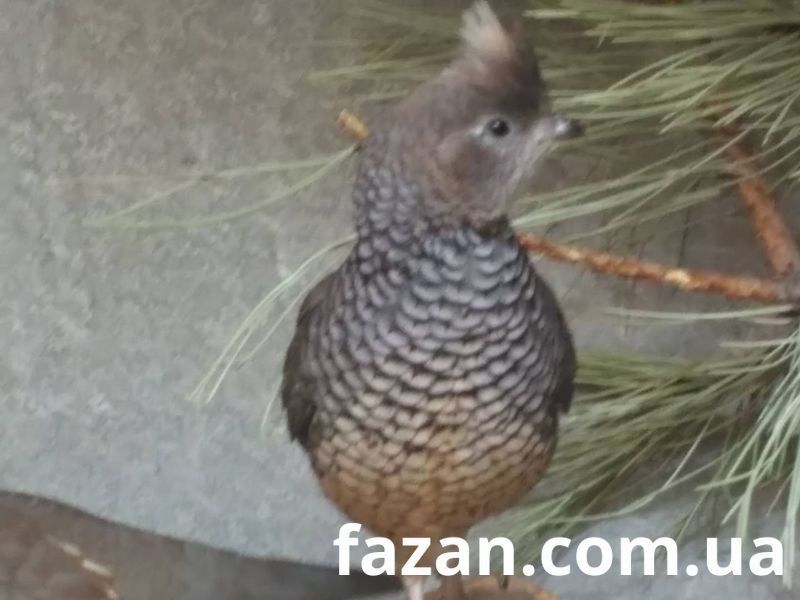
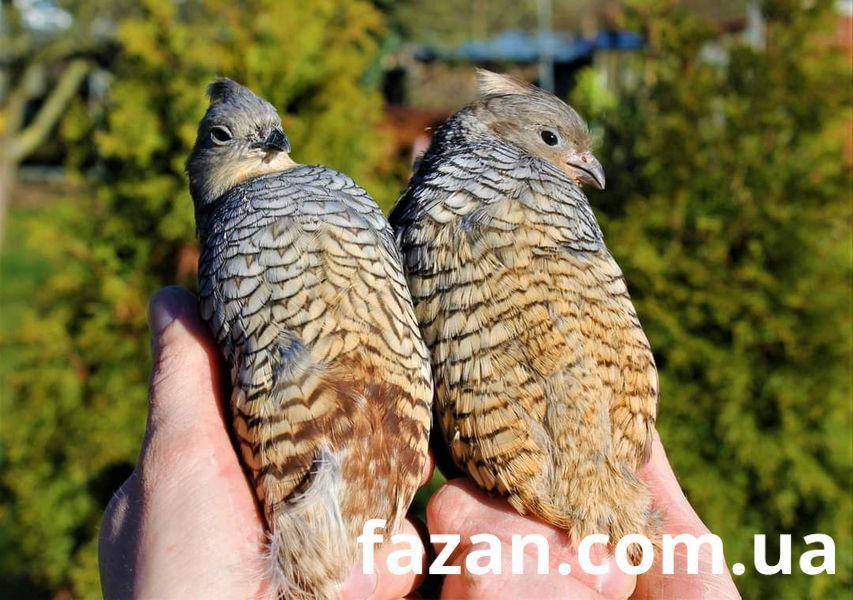
Named for the scaly appearance of its breast and back feathers, the scaled quail is easily recognized by its white crest, resembling a tuft of cotton. The bird’s body color is predominantly bluish-gray with subtle scaly markings that give it a distinctive texture.
Distribution and habitat
Scaled quail occur from south-central Arizona, northern New Mexico, east-central Colorado, and southwestern Kansas south through western Oklahoma, western and central Texas, into Mexico to northeastern Jalisco, Guanajuato, Queretaro, Hidalgo, and western Tamaulipas. It has been introduced to Cuba, Jamaica, Haiti, the Dominican Republic, Puerto Rico, and parts of the United States including Hawaii, central Washington, eastern Nevada, and Nebraska, though it is only considered established in central Washington and eastern Nevada. This species inhabits arid and semi-arid grasslands and shrublands.
Reproduction
Nests are typically hollow depressions lined with grass, containing 9–16 speckled eggs. When threatened, the scaled quail prefers to run rather than fly.
Conservation status
The scaled quail is widespread and common throughout its range and is listed as Least Concern on the IUCN Red List of Threatened Species.