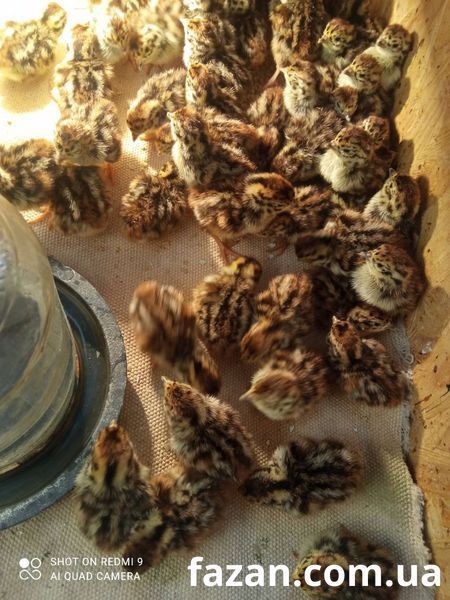
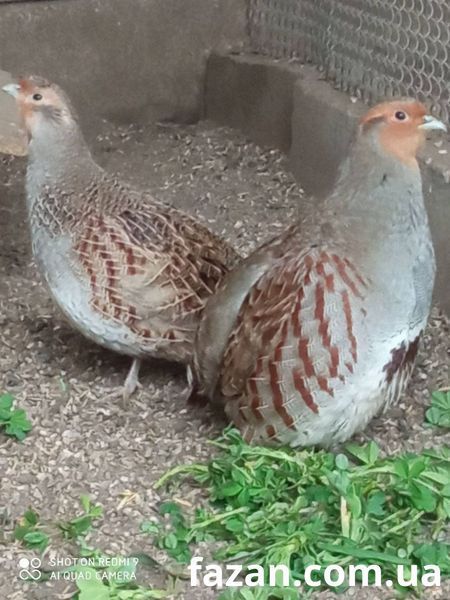
Grey Partridge (Perdix perdix)
The grey partridge (Latin: Perdix perdix) is a widely distributed species of the partridge genus and a typical inhabitant of open landscapes across the temperate zone of Eurasia. It is a well-known game bird and an important subject of ornithological study. The species is difficult to distinguish from the bearded partridge due to their similar external characteristics.
Appearance
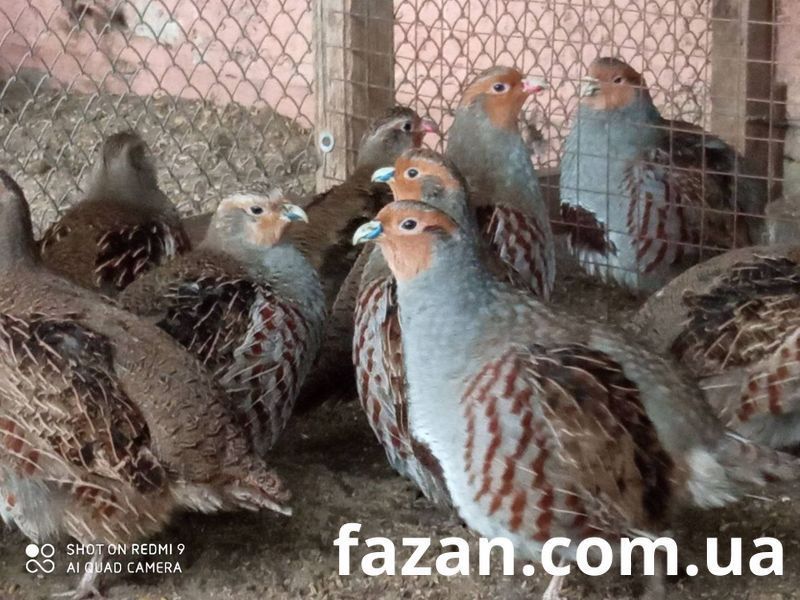
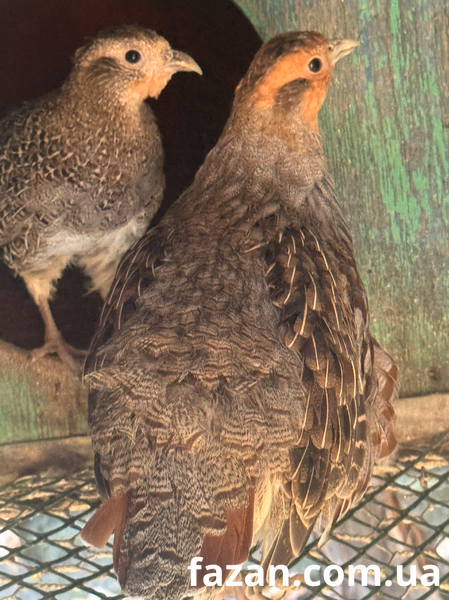
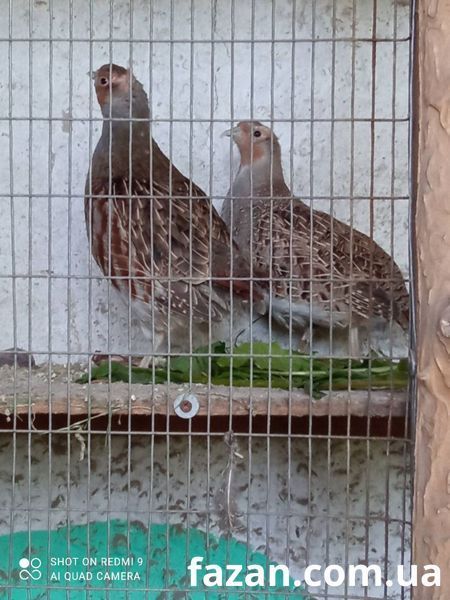
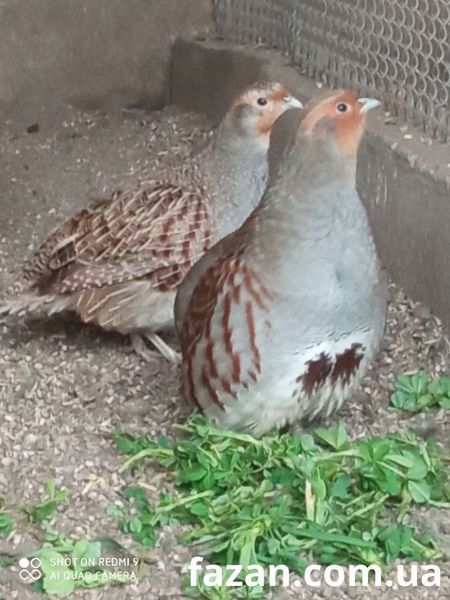
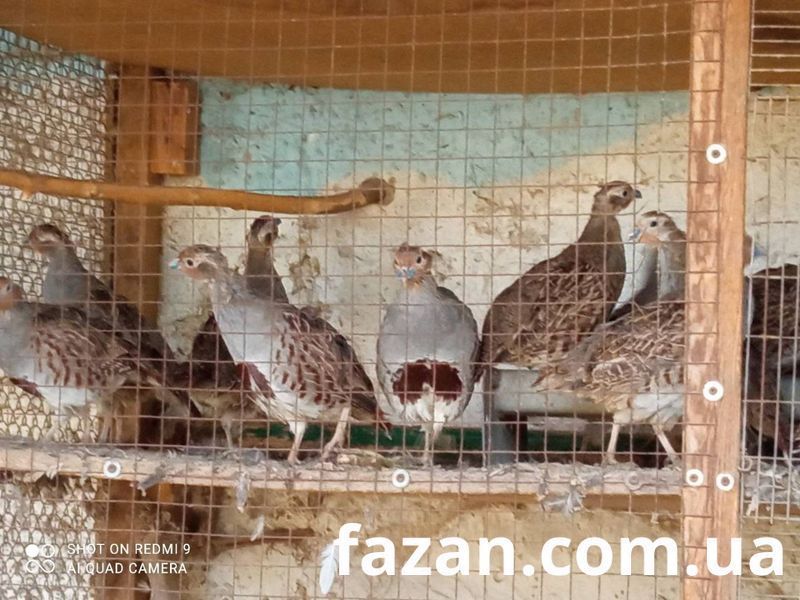
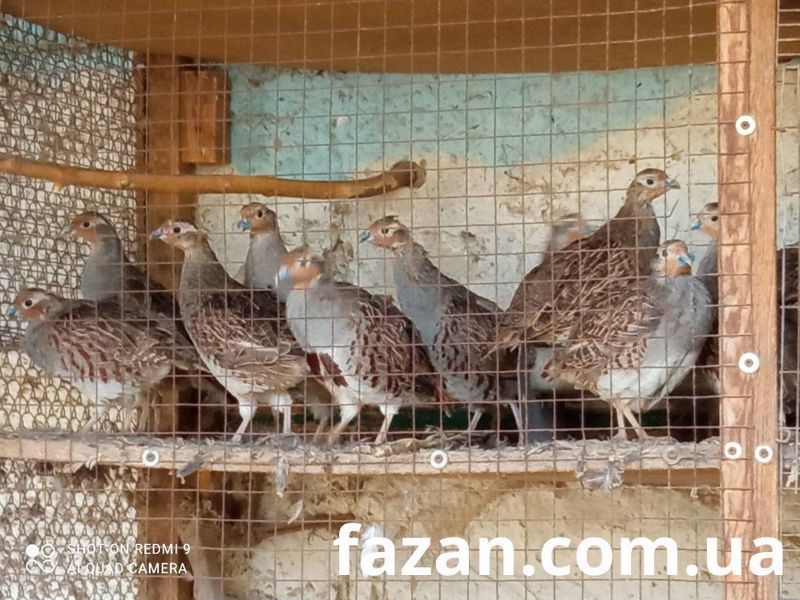
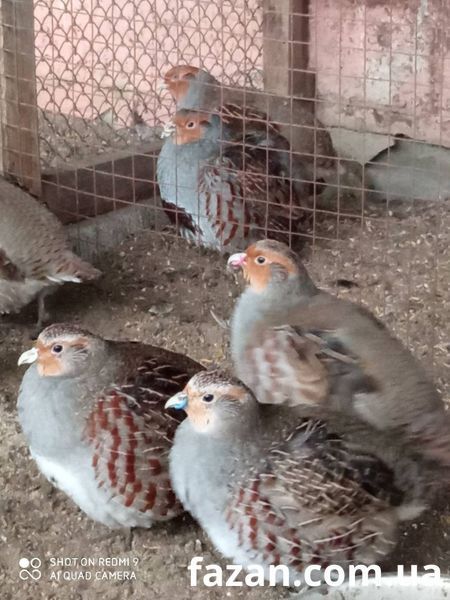
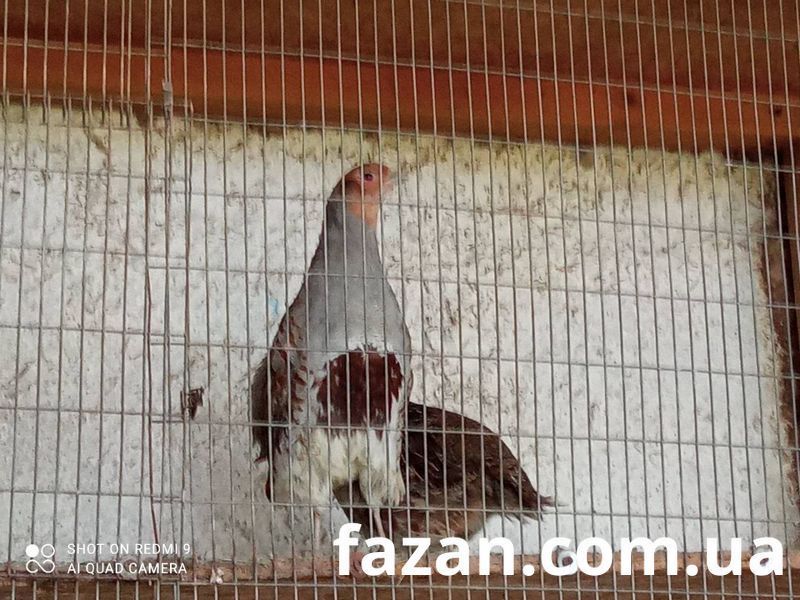
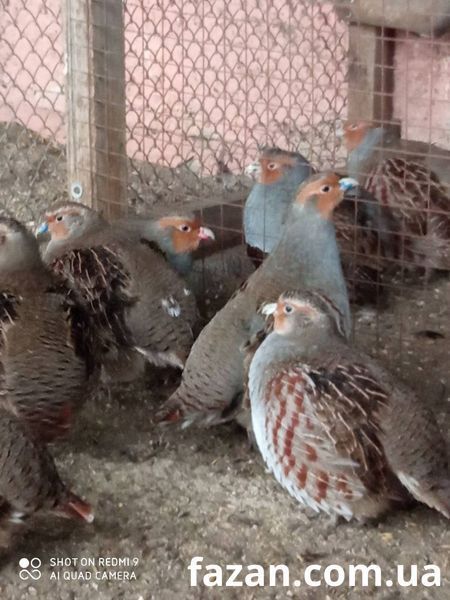
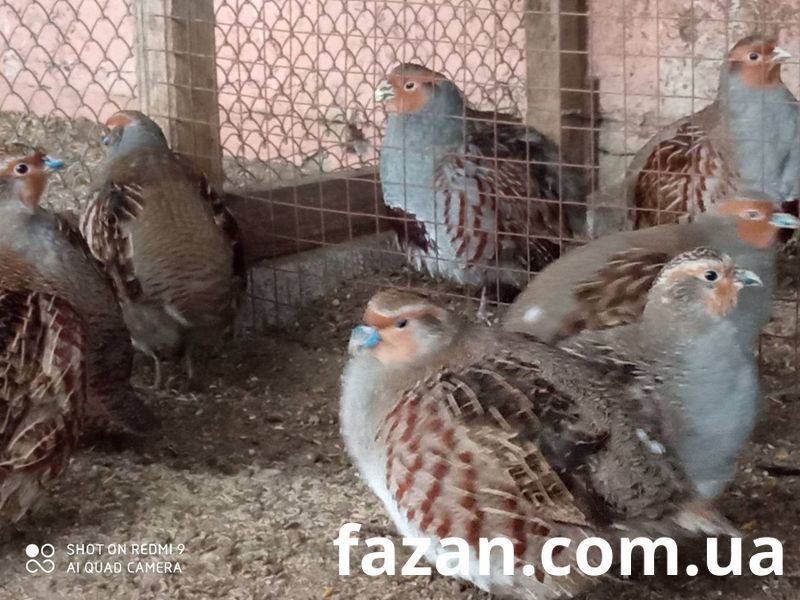
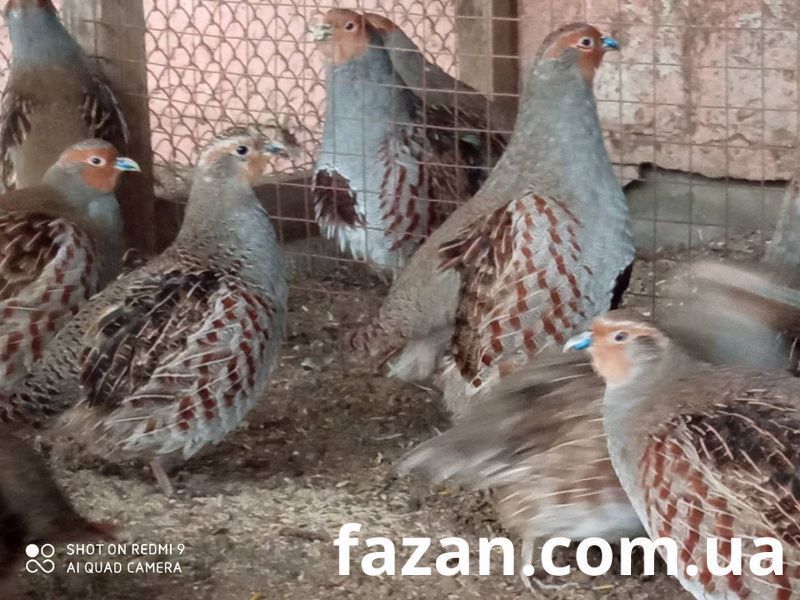
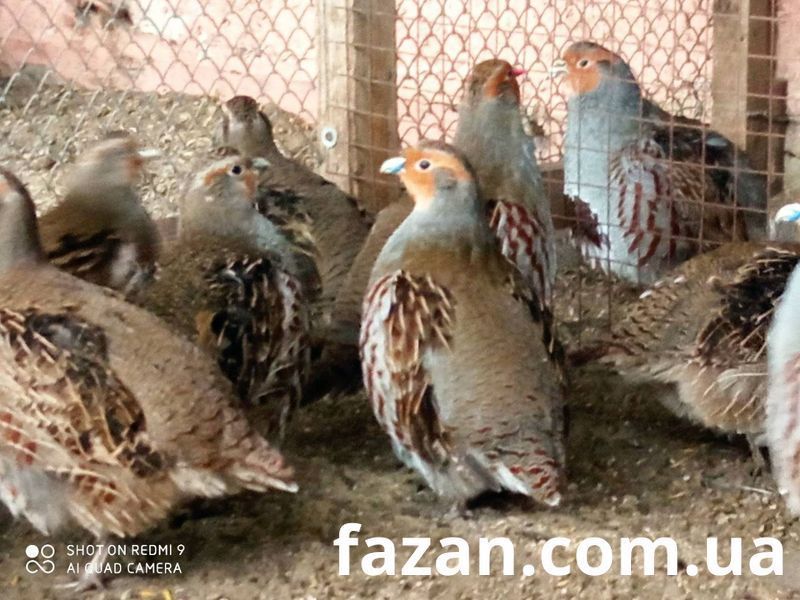
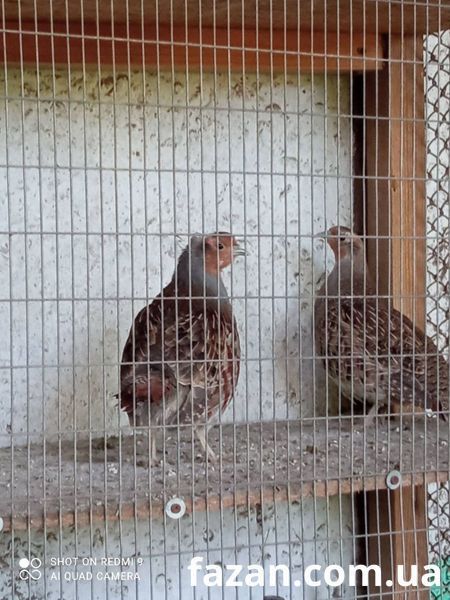
The bird has a rounded body shape, with a total length of 28–32 cm. The beak and legs are dark in color, and spurs are absent. The upper plumage is mottled and predominantly brown, while the flanks and tail show a reddish tint. Sexual dimorphism is weakly expressed, with females generally appearing slightly paler than males.
Distribution
The grey partridge inhabits most of Europe, Asia Minor, Kazakhstan, and the southern regions of Western Siberia, ranging from the British Isles and Scandinavia to the Altai Mountains and Tuva. It occupies steppes, forest-steppe zones, river valleys, plains, agricultural lands, forest edges, and clearings. In mountainous areas, it is mainly found in foothills and may ascend to subalpine meadows. The species has also been introduced to North America.
Behaviour and lifestyle
The grey partridge is largely sedentary and spends most of its time on the ground. Its diet consists mainly of plant seeds, with insects consumed occasionally. Nests are built on the ground as shallow, well-concealed depressions. During autumn and winter, birds gather in flocks, while in spring, during the breeding season, they form stable pairs and occupy defined nesting territories.
Habitat of the Grey Partridge