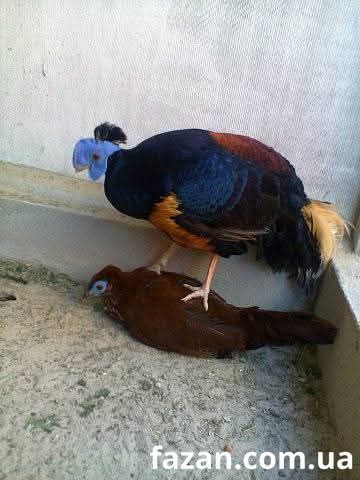
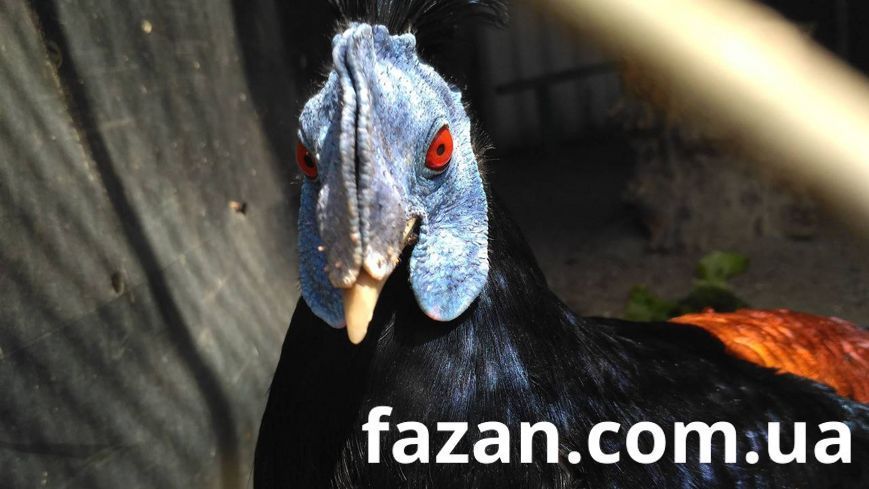
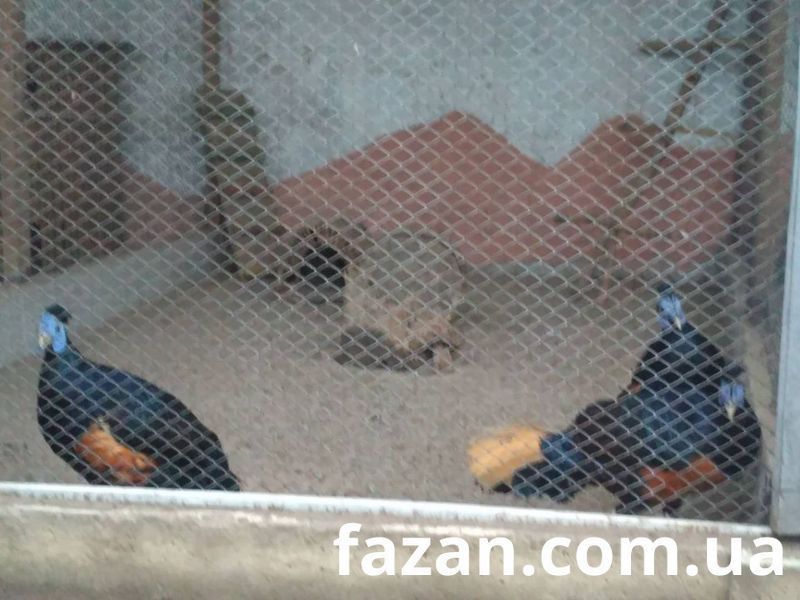
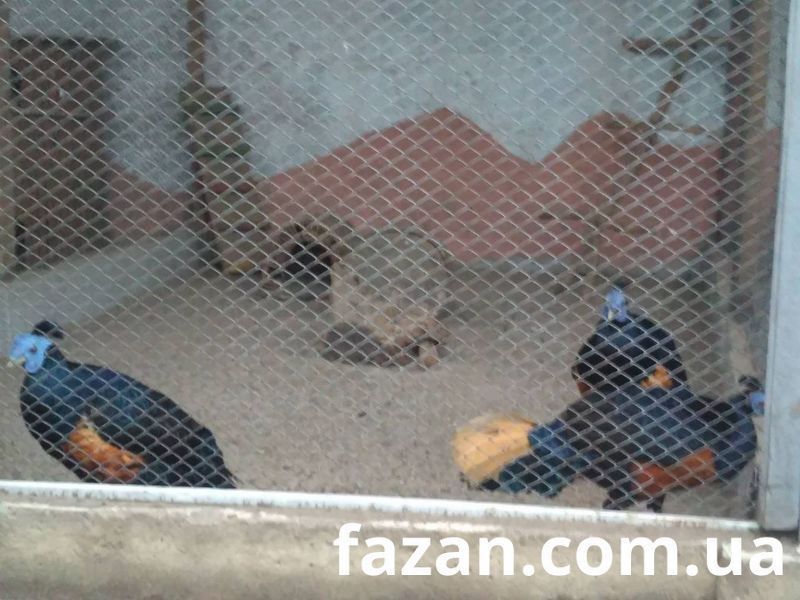
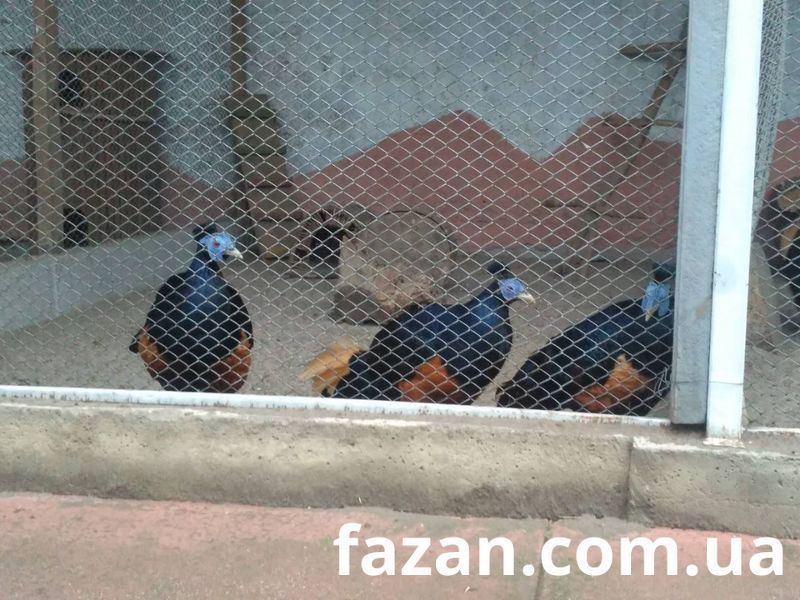
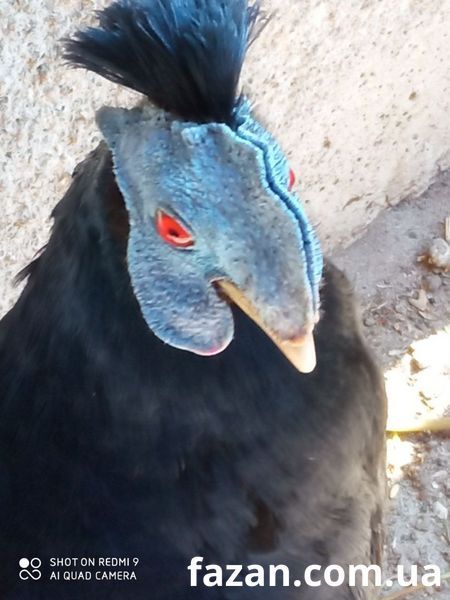
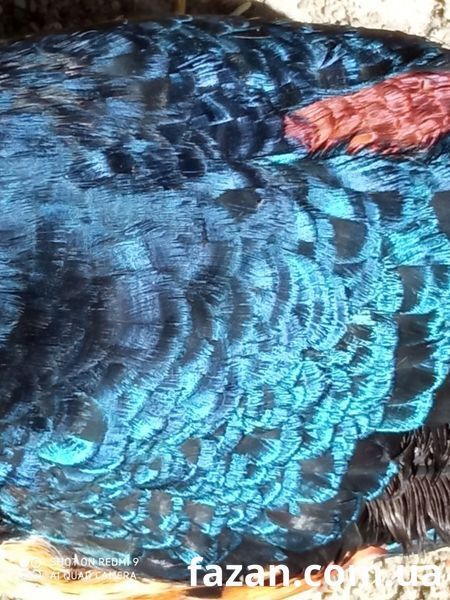
Blue-banded Lophura is a striking pheasant species recognized for its vivid coloration. Males reach 65-70 cm in length, with 24-30 cm of tail, and weigh 1.81-2.5 kg. Their plumage is primarily black with a purplish metallic sheen, while the back, flanks, and belly are velvet-red. The tail is bluish-black, with the two central tail feathers yellowish-brown. A short black crest adorns the head, and a wide patch of bare blue skin surrounds the eyes. Legs are typically grey, occasionally with a reddish tint, and the bill is yellowish-white.
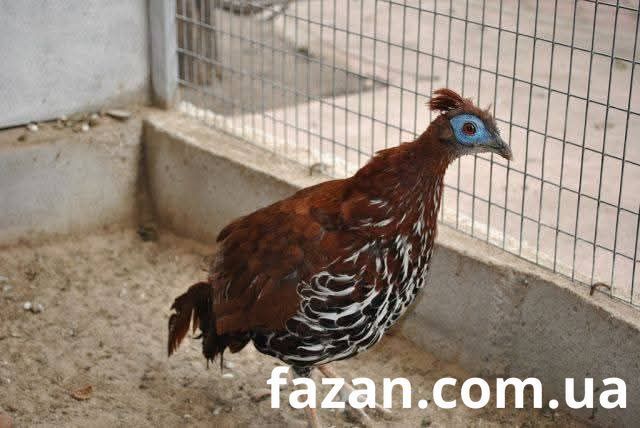
Females are smaller, around 56-57 cm long with a 15-20 cm tail, weighing 1.35-1.6 kg. Their upper body and crest are chestnut-brown with dark markings, the underparts are brown with white-edged feathers, and the chin, throat, and lower belly are white, providing excellent camouflage in dense undergrowth.
Distribution
This species inhabits lowland tropical forests of the Malay Peninsula, Borneo, and Sumatra, favoring humid forests with thick undergrowth.
Diet
Omnivorous: feeds on seeds, fruits, berries, as well as insects and their larvae. Most feeding occurs on the ground and in the understory.
Reproduction
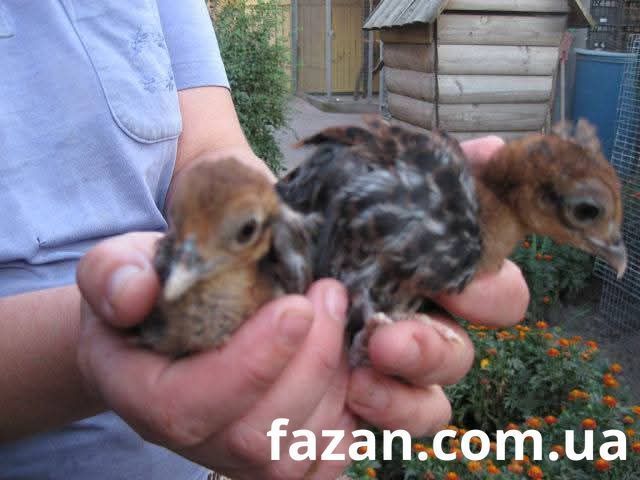
In the wild, clutches typically consist of 7 eggs. Both parents participate in incubation. Juveniles reach sexual maturity around three years of age.