King Quail (Synoicus chinensis)
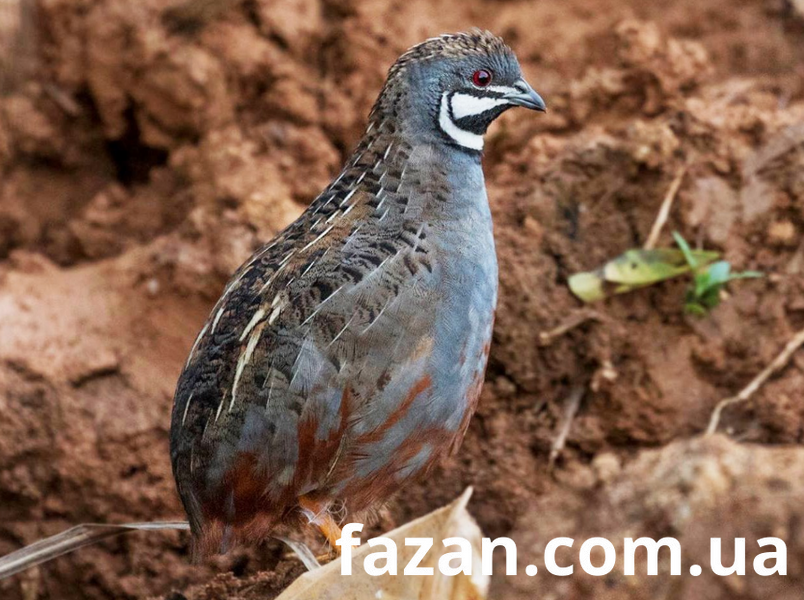
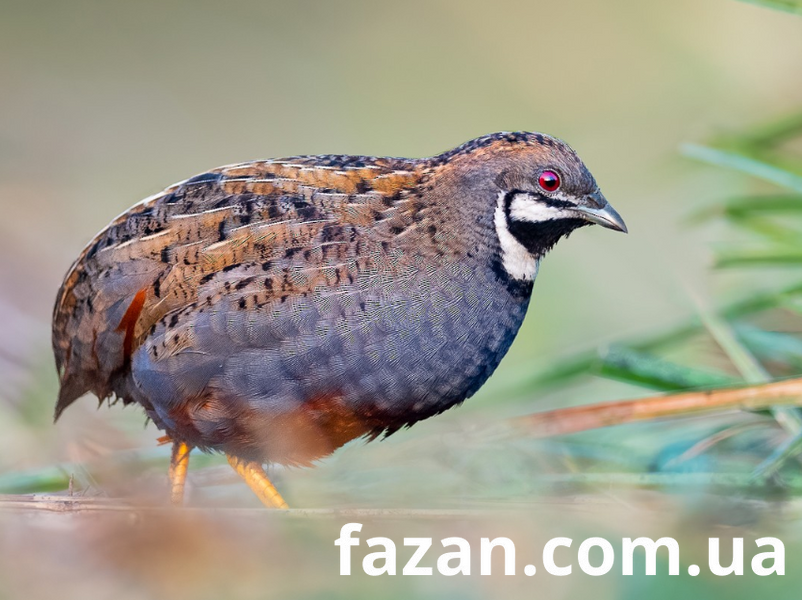
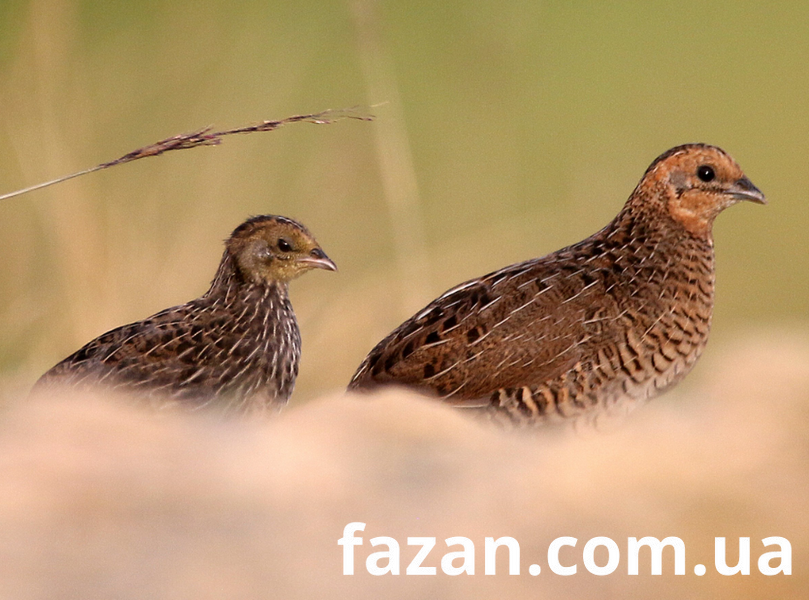
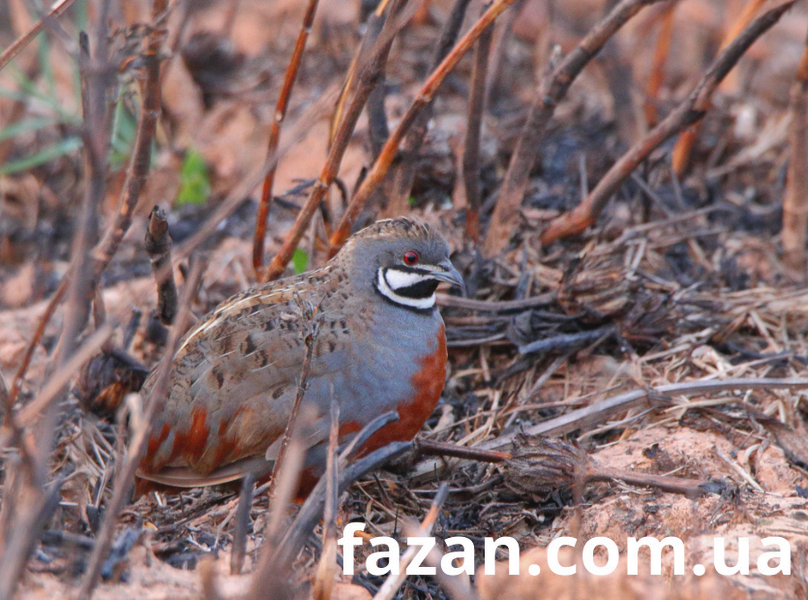
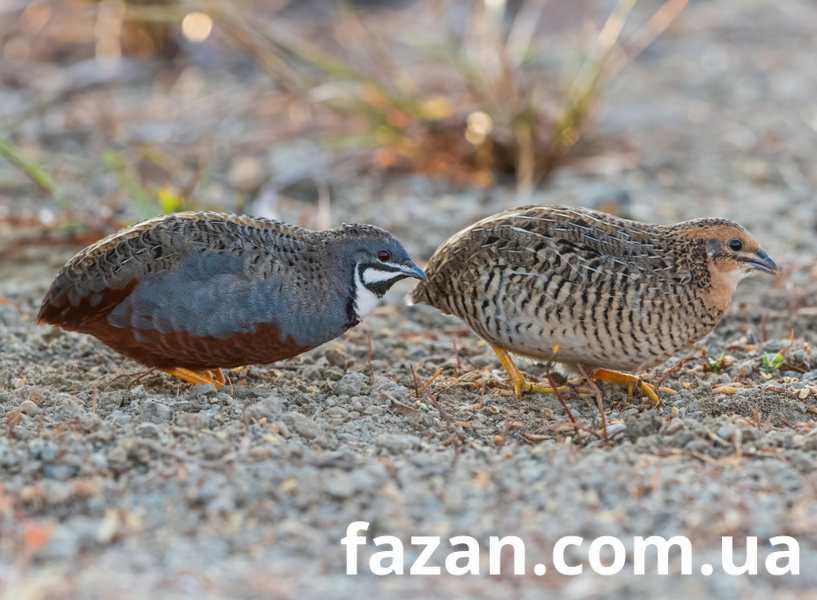
The king, or painted quail (Latin: Synoicus chinensis), is a bird from the Coturnicini tribe of the pheasant family, and the smallest among galliform birds, weighing 45–70 g and measuring about 14 cm in length. The species exhibits pronounced sexual dimorphism. Males of the nominative form C. c. chinensis have a reddish-brown crown and nape edged with black; the sides of the head and neck are gray. A white stripe runs from the base of the bill to the eyes, with a black stripe beneath that joins in a broad black patch on the chin and throat, forming a wide white "beard." The coloration is similar to the African blue quail (Synoicus adansonii).
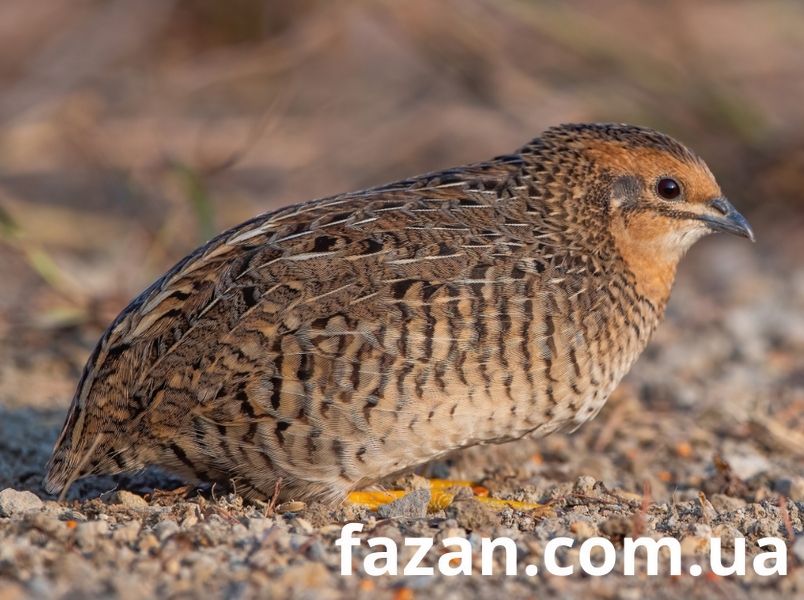
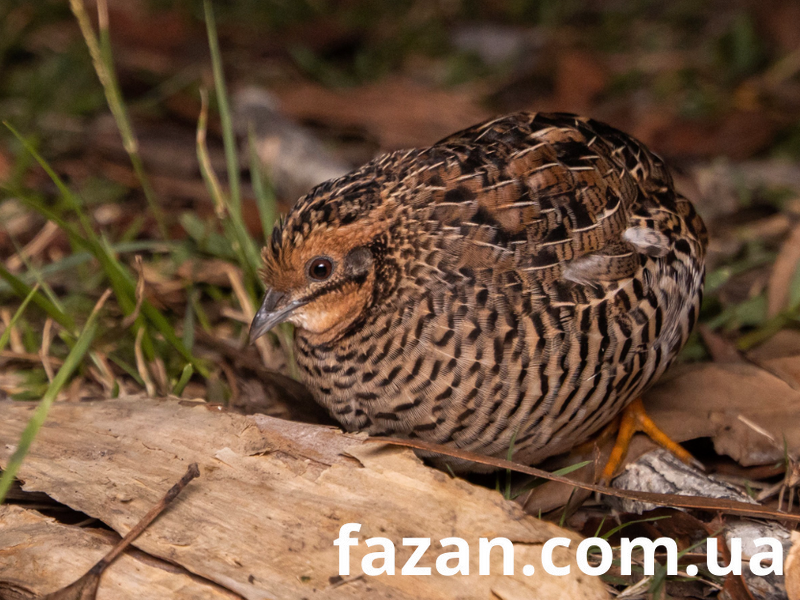
Females have a lighter reddish-brown breast and a white throat; the upper body is sandy-colored, and the underparts are pale reddish with black barring. Both sexes have black bills, orange-yellow legs, and crimson irises. In captivity, rare hybrids of different subspecies and various color morphs of the nominative form have been bred, including white, silver, brown, and pink varieties.
Distribution and subspecies
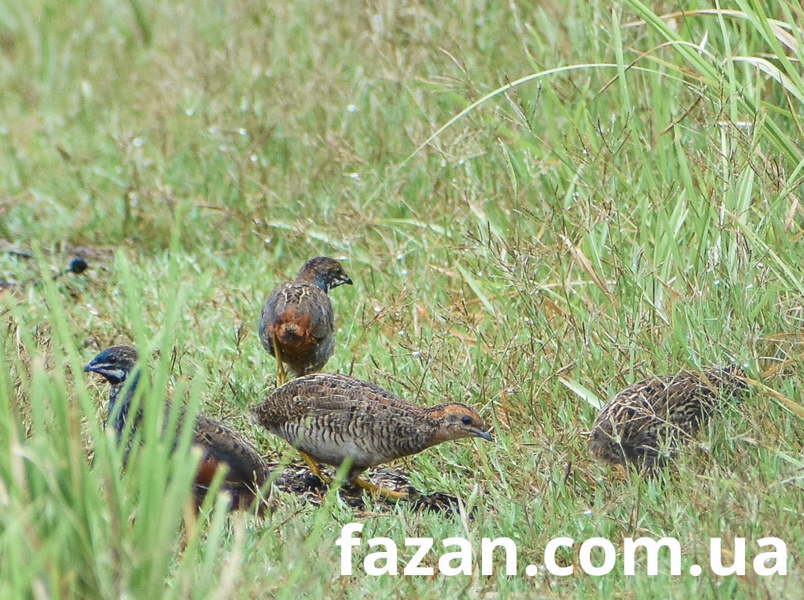
King quails are found on the Indian subcontinent, Myanmar, Thailand, Taiwan, China, Borneo, the Nicobar Islands, the Philippines, Java, Lombok, Flores, Timor, Sumatra, New Guinea, and Australia. Six subspecies are recognized within this range. They inhabit dense, humid grasslands on plains and in mountains, creating trails in the grass resembling tunnels. In Africa, where they occur sparsely, they can be found at elevations up to 1,800 m and adapt to seasonal rains. In Nigeria, the breeding season coincides with the height of the rainy season; once the young fledge, they leave the region.